Don't miss our holiday offer - up to 50% OFF!

🌙 Creating the Ideal Bedroom Environment and Sleep Techniques

1. Keep the Environment Simple and Tidy
-scaled-e1745900377228-1024x1024.jpg)
A cluttered space can easily trigger anxiety and restlessness, making it harder to fall asleep. The bedroom should be free of unnecessary items, kept clean, fresh, and orderly to foster a calm and inviting atmosphere.
Tip: Take a few minutes before bed each night to tidy the bedroom and practise a simple decluttering routine.
2. Optimise Bedroom Space
-scaled-e1745900520377-1024x1024.jpg)
The ideal bedroom size is approximately 15 square metres, accommodating only essential furniture such as a bed, bedside table, and wardrobe.
If the room is too large, consider partitioning it into functional zones, such as a reading corner or a small walk-in wardrobe, to create a more intimate sleeping area.
If the space is limited, minimise and simplify furniture to maintain comfort and airflow.
3. Choose Soothing Colours and Lighting

Select calming colour palettes like blue, green, soft yellow, warm white, or light pink. Avoid intense shades such as deep purple, dark red, or highly saturated colours, which can cause overexcitement or unease.
For lighting, opt for warm white or soft yellow tones that mimic natural sunlight, promoting relaxation before sleep.
4. Maintain Ideal Temperature and Humidity
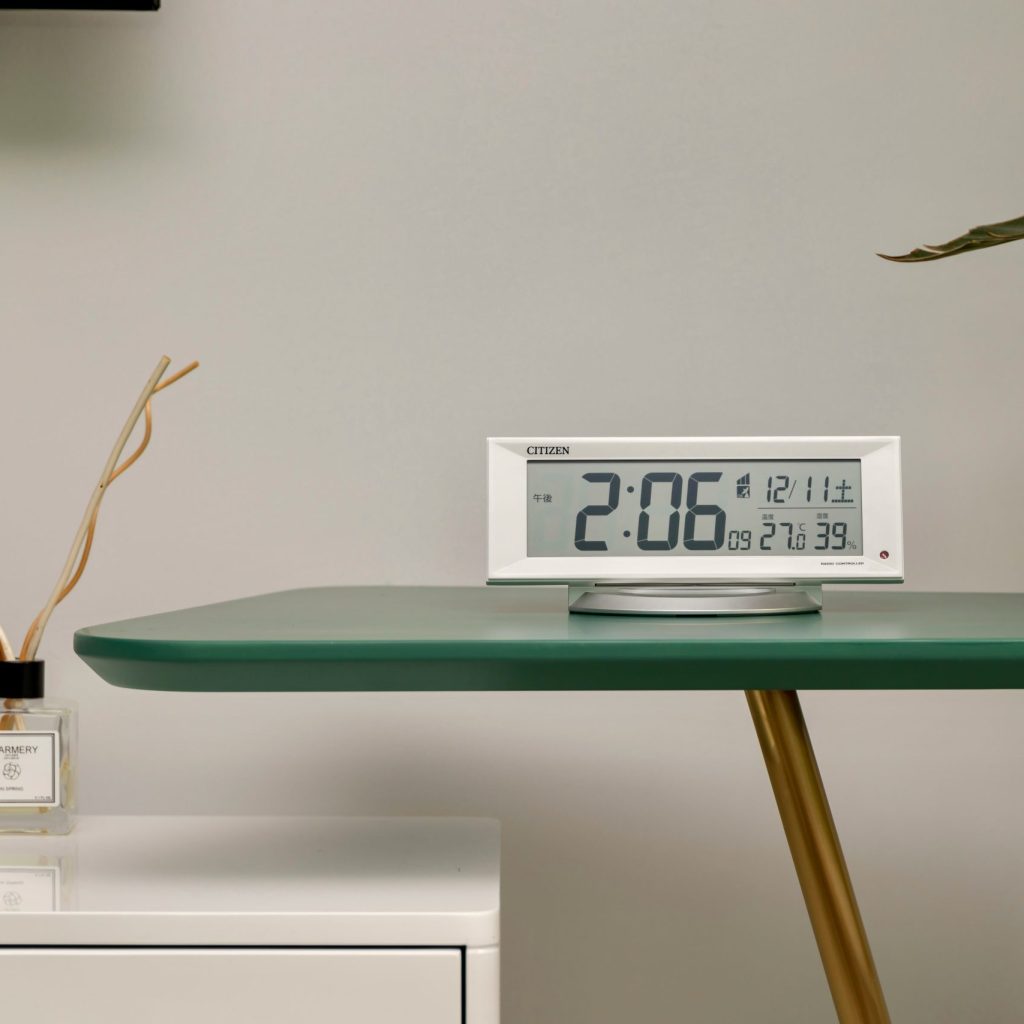
- Optimal room temperature for sleep: 20–22°C
- Ideal duvet (doona) temperature: 32–34°C
- Recommended humidity level: 50%–60%
Adjust humidity with a dehumidifier or humidifier as needed, especially during humid summers or dry winters, to maintain maximum comfort.
5. Minimise Blue Light Exposure

Melatonin, often referred to as the body’s natural ‘sleep hormone’, is suppressed by blue light exposure.
Reduce the use of electronic devices at least two hours before bedtime, switch to blue light-filtering lamps, lower the overall room brightness, and use blackout curtains to recreate a natural night-time environment.
6. Soundproof the Sleeping Space

Noise significantly disrupts sleep quality. Avoid bedrooms facing busy streets or commercial zones where possible.
If unavoidable, consider installing high-performance soundproof windows or using noise-cancelling earplugs. Playing soft white noise, like rain or ocean sounds, can also help calm the mind and improve sleep stability.
7. Ensure Good Ventilation

During the day, keep the bedroom well-ventilated to remove humidity and stale air.
At night, leave a small window gap open if safe to do so, ensuring fresh air circulation, which aids brain recovery and promotes physical relaxation.
II. Sleep-Enhancing Techniques

If an optimised environment still does not lead to quick sleep, try improving your mental state with the following techniques:
- Use sleep-inducing essential oils (e.g., lavender, chamomile);
- Take a warm bath to relax muscles;
- Drink a cup of warm milk;
- Listen to soft music or natural ambient sounds;
- Read a printed book rather than using electronic devices;
- Practise pre-sleep meditation or deep breathing exercises;
- Avoid heavy meals, coffee, or tea within three hours before bedtime;
- Write down worries and create a plan for the next day to relieve mental tension.
Note:
Regular reliance on melatonin supplements or sleeping pills is discouraged due to potential side effects and dependency risks.
Sweet Dreams!